Alicante Compass
Cost of Living in Alicante, Spain
Real numbers from a family of three who actually live here.
When we moved to Alicante, I had no idea what things actually cost. I knew the rent. That was it. Everything else — utilities, school, insurance, food, the car, the things you don't think about until the bill arrives — was a blank. No article I found gave me a real number. They all had ranges so wide they were useless, or figures that clearly came from someone who spent a weekend here, not someone who lives here.
This is the article I needed when we arrived. Real numbers, from a real family, in 2026.
| Category | Per Month |
|---|---|
| Rent (3-bedroom apartment) | €1,250 — €1,400 |
| Utilities (electricity, water, gas) | ~€250 |
| Mobile and internet | ~€15 |
| Food shopping | ~€650 — €800 |
| Transport | ~€30 — €50 |
| School (semi-private) | ~€190 |
| Health insurance | ~€70 — €85 |
| Car (insurance + running costs) | ~€80 — €100 |
| Eating out | ~€200 — €300 |
| Entertainment | ~€100 — €200 |
| Total | ~€2,800 — €3,300 |
Cost of Living in Alicante in 2026 — Real Numbers from Someone Who Lives Here
Most articles about the cost of living in Spain are written by people who have never actually lived there. This one isn't. Below are real figures from a real family of three living in Alicante in 2026.
Renting in Alicante
A decent three-bedroom apartment in Alicante in 2026 will cost €1,250 — €1,400 per month. Two years ago, the same apartment was going for €1,000 at most. The rental market has grown 25-40% in two years — and it hasn't stopped.
Utility Bills
Electricity — around €160 per month with moderate air conditioning use and a gas hob in the kitchen. If you have an electric hob or an electric water heater instead of gas, expect the bill to be noticeably higher.
Water — billed every three months. Works out to around €60-65 per month on average.
Gas — around €30 per month if used for cooking and hot water. Some properties have no gas connection but a gas hob — in that case you'll need to replace the gas canister yourself as it runs out.
Total utilities: around €250 per month with standard usage.
Mobile and Internet
Mobile phone plan plus home broadband — around €15 per month. That includes home internet at roughly 300 Mbps. For Spain, this is exceptionally good value.
Getting Around
Public transport in Alicante is cheap — if you use a transport card. Cards are available in most shops for a couple of euros. One journey with the card costs 45-50 cents. Without the card — around €1.50. The difference adds up quickly if you travel regularly.
Food Shopping
A weekly shop for a family of three — two adults and a child — comes to around €150-200. That covers everything: vegetables, fruit, dairy, and meat.
Buy your fruit and vegetables at the market. The selection is far wider than any supermarket, prices are better, and you can try before you buy.
For meat and fish, the central market is the place to go. More expensive than a supermarket, but the quality is noticeably better and the range of fresh produce isn't comparable. If you care about what you eat — the market is your answer.
Eating Out
A mid-range café or restaurant will cost around €25-30 per person — that covers a salad, a main course, and a drink. Higher-end places will cost more. A quick lunch — pizza runs around €13-16.
Running a Car
Basic insurance — covering theft, fire, broken glass, and roadside assistance up to 100km twice a year — comes to around €500 per year. For everyday needs, that's enough.
If you drive mainly around the city with occasional trips around Alicante province, your annual mileage will be around 8,000km. Car washes — drive-through brush washes cost €7-14 depending on the programme. Self-service washes are also popular.
Finding a good garage takes time. From personal experience, it didn't happen on the first try — or the second. Do the research before something breaks.
When buying a used car — inspect it in person. This is not Germany, where the online description usually matches what you find in real life. No buying sight unseen.
School
Children can — and should — start school in Alicante from the age of three. The transition is handled well and the atmosphere is genuinely friendly. There are three types of school: state, semi-private, and private.
Semi-private is worth looking at more closely. Tuition costs around €40 per month, plus €150 for school meals. School uniform for the year runs €150-200. The annual enrolment fee is around €500 — books are included. Parents' association membership is €60 per year.
School life here goes beyond the classroom. Family events, outdoor chefs cooking giant paella over an open fire, trampolines, football, and once a year — an outdoor family film evening on school grounds. A full-length animated film on a big screen under the open sky.
Our child is absolutely in love with the school — and as parents, that means everything.
Healthcare
Private health insurance costs €850-1,000 per year. If you don't overuse it, the price stays stable. Frequent visits will push the cost up year on year.
One important detail: serious investigations and operations are typically only covered after 6 months from the start of your policy. Plan ahead.
Dentistry without insurance — a standard filling will cost €60-80. There are also clinics where you can book an MRI or ultrasound directly, without a GP referral.
Things to Do
Alicante has something for every age and every budget.
For children — indoor play centres with trampolines and activities. These are hugely popular among locals for birthday parties. Prices run from €15 to €22 per child, which covers 2-3 hours of play plus cake, a light snack, and a drink. Plenty of outdoor options too.
For adults — cinemas, clubs, sports bars, themed venues, swimming pools, tennis courts, padel, golf. Everything you'd expect from a well-developed European city.
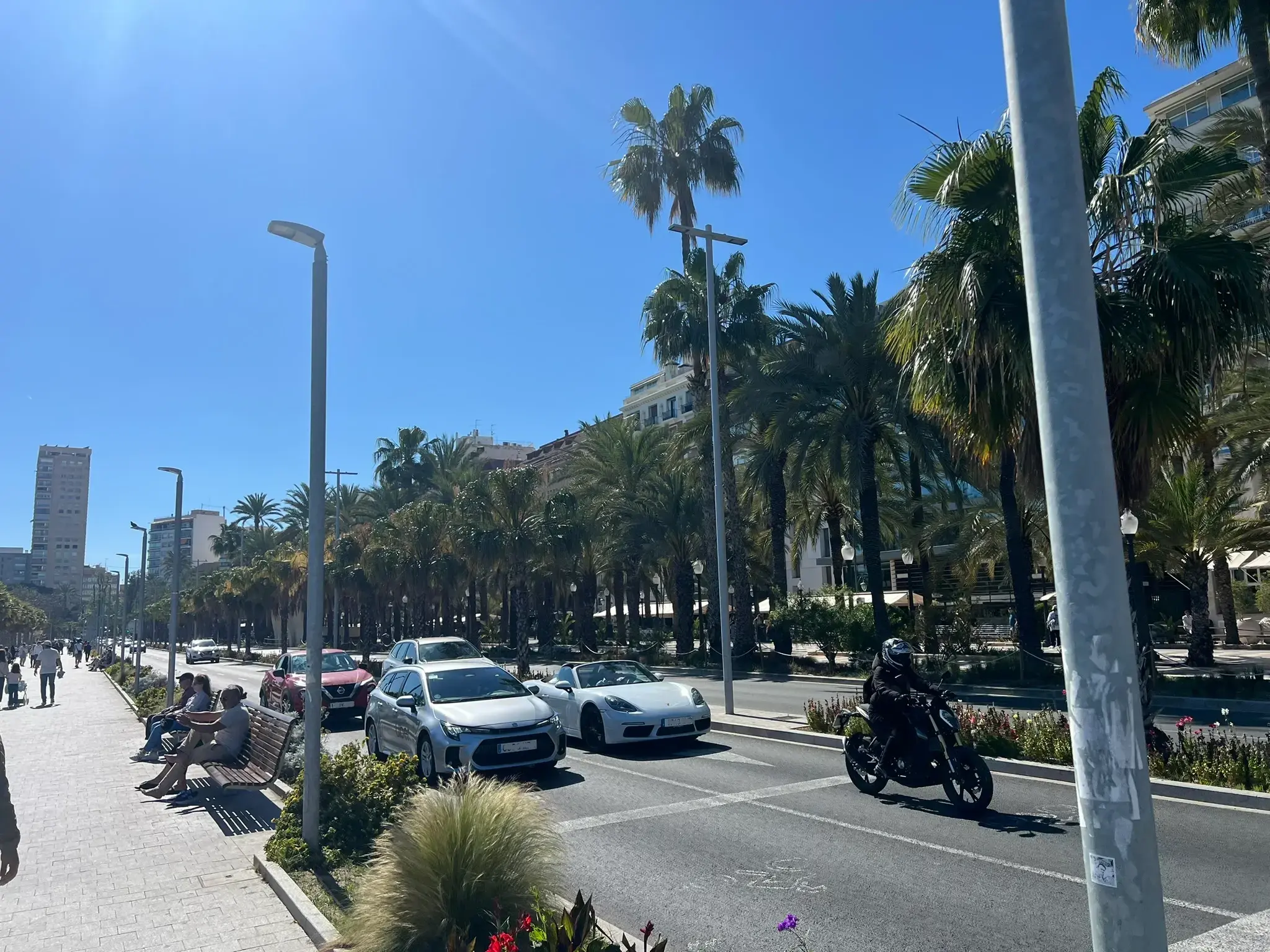
And the biggest draw of all — an extraordinary range of beaches. Just arriving at the beach puts you in a better mood. That sounds simple, but when you live here year-round, it's hard to overstate.
Personally, I would budget for €3,500 per month — and consider that the budget end for a family of three in Alicante in 2026. Given how much rents have risen over the last two years, having a margin is not optional. It's practical.
Cost of Living in Alicante — Frequently Asked Questions
The questions most people ask before they make the move. Answered honestly, from experience.
Is Alicante expensive to live in?
How much does it cost to rent a 3-bedroom apartment in Alicante?
Can a family live comfortably in Alicante on €3,000 a month?
Is Alicante cheaper than Madrid or Barcelona?
Is Alicante a good place to raise children?
Has the cost of living in Alicante increased recently?
Moving to Alicante is worth it — if you're clear about what you want from it.
If you want a measured pace of life, no more than 25-30 minutes to get anywhere in the city regardless of traffic, three months a year at 30 degrees, and a life on the Mediterranean coast — then yes, absolutely.
If you're a big city person who is used to scale in everything and expects that same energy here — this isn't your place. Alicante will feel small. And that's not a criticism of the city. It's just not what it is.
Know what you're looking for before you move. Alicante delivers exactly what it promises — nothing more, nothing less.
Stop Guessing. Start Planning.
A small selection of tools that make Costa Blanca travel easier. Some links are affiliate — meaning I earn a small commission if you book, at no extra cost to you. I only include services I'd genuinely recommend.
Where to Stay in Alicante
Hotels, apartments, and villas across the Costa Blanca. Summer fills up fast — the good spots go first.
Book NowFlights to Alicante
Alicante Airport (ALC) connects to most major European cities year-round. Compare and lock in the best price before it moves.
Search FlightsRent a Car in Alicante
The Costa Blanca stretches 200km. A rental car is the only way to actually see it — buses don't go where the good stuff is.
Rent a CarTours & Excursions in Alicante
Day trips, boat tours, and guided excursions across the Costa Blanca — handpicked and worth your time.
Explore ToursThere's More to Alicante Than the Price Tag.
Keep exploring:
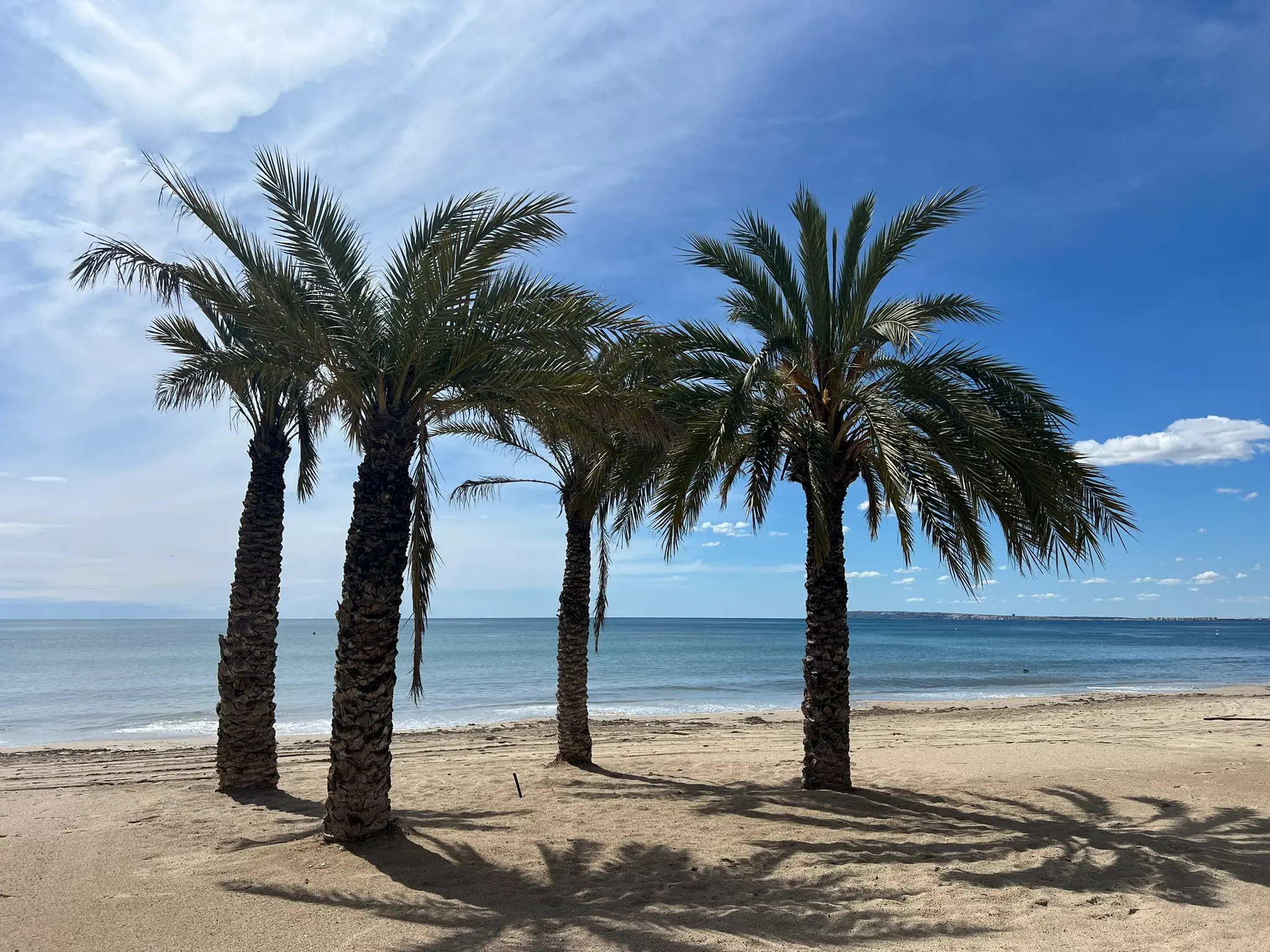
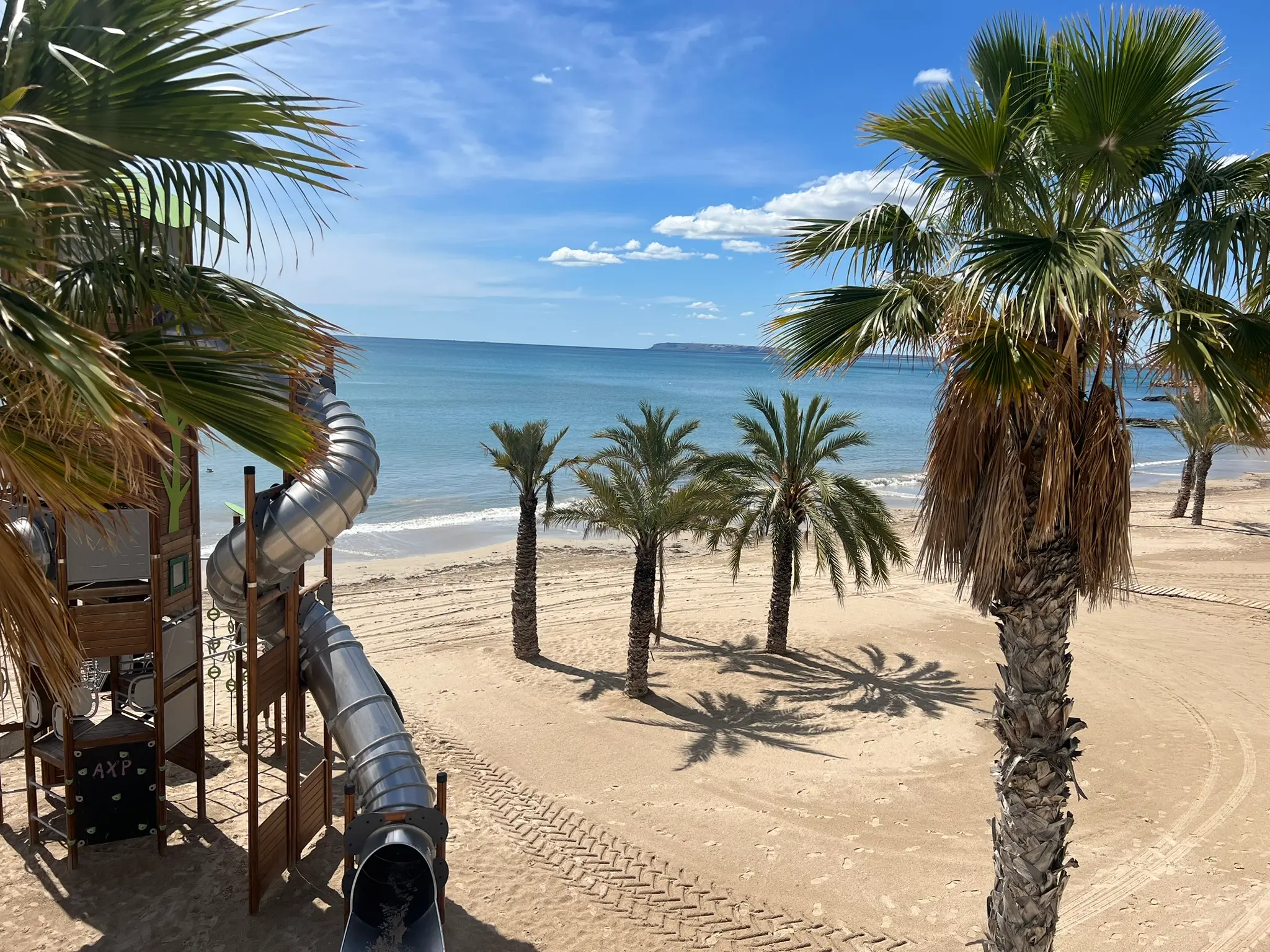
Best Beaches in Alicante & Costa Blanca
From hidden turquoise coves to vast golden sands — find your perfect beach on the Costa Blanca.
Explore Beaches→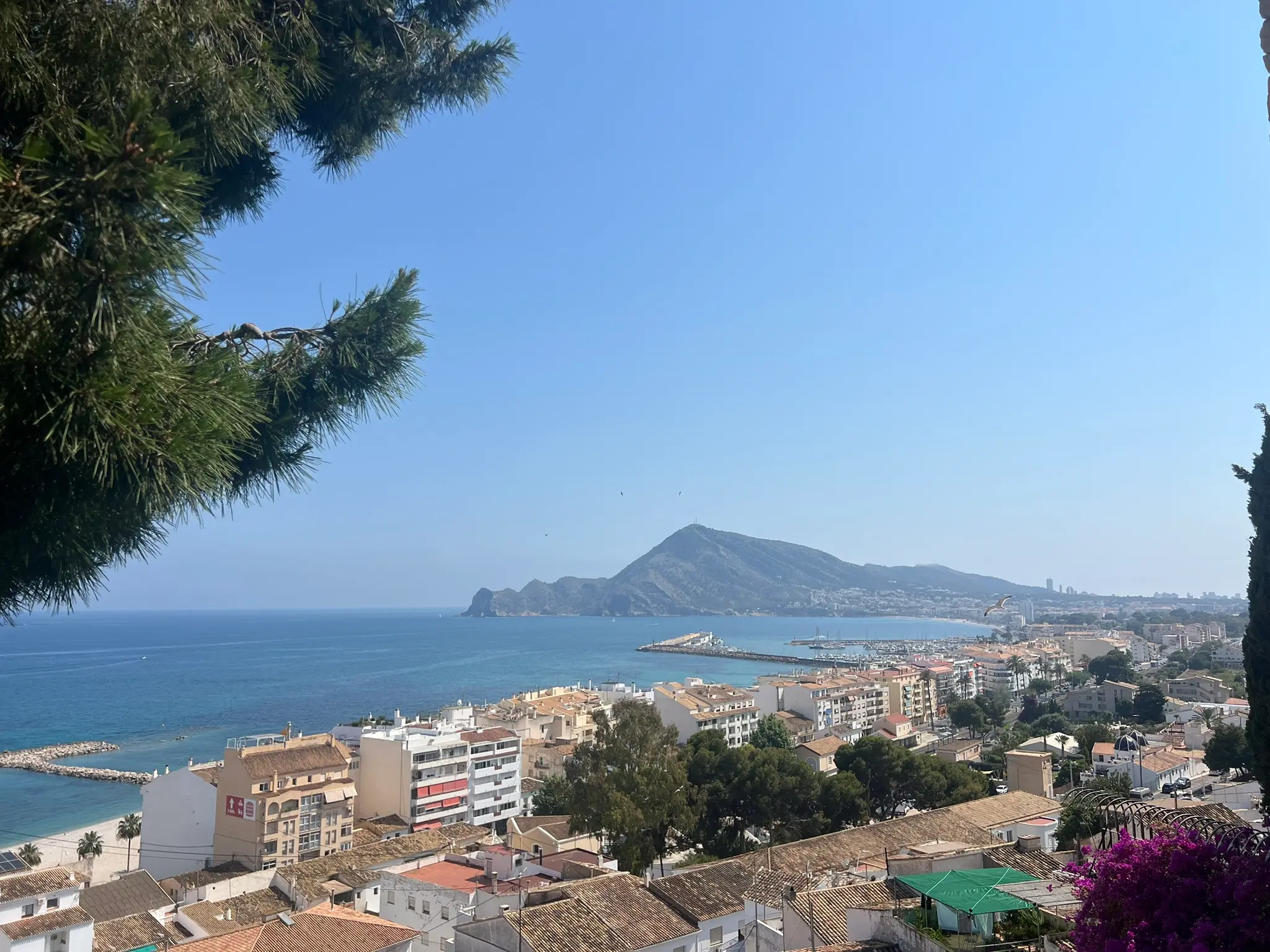
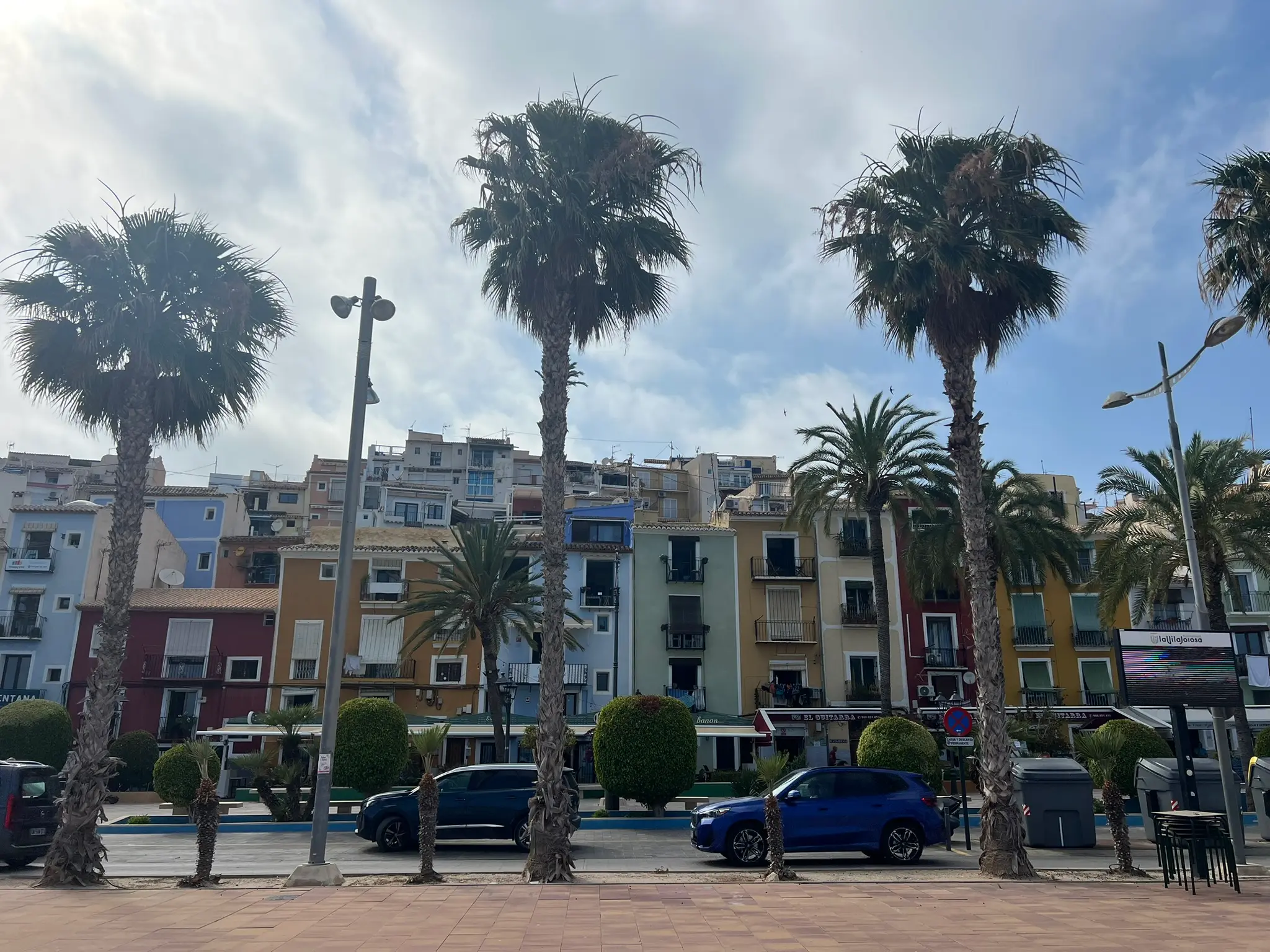
Day Trips from Alicante
The Costa Blanca doesn't end at the city limits. Castles, coves, mountain towns — all within an hour.
Explore Day Trips→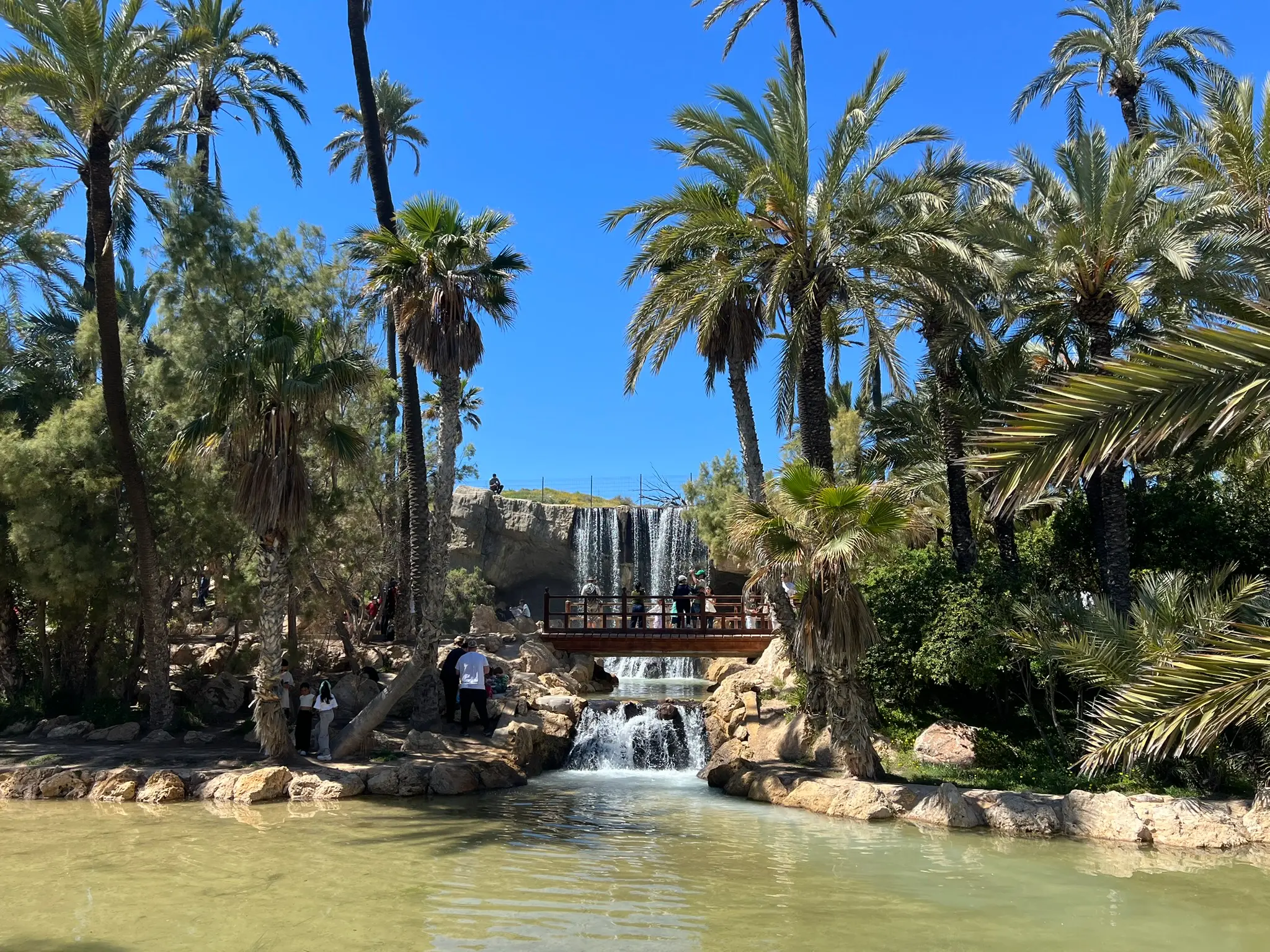
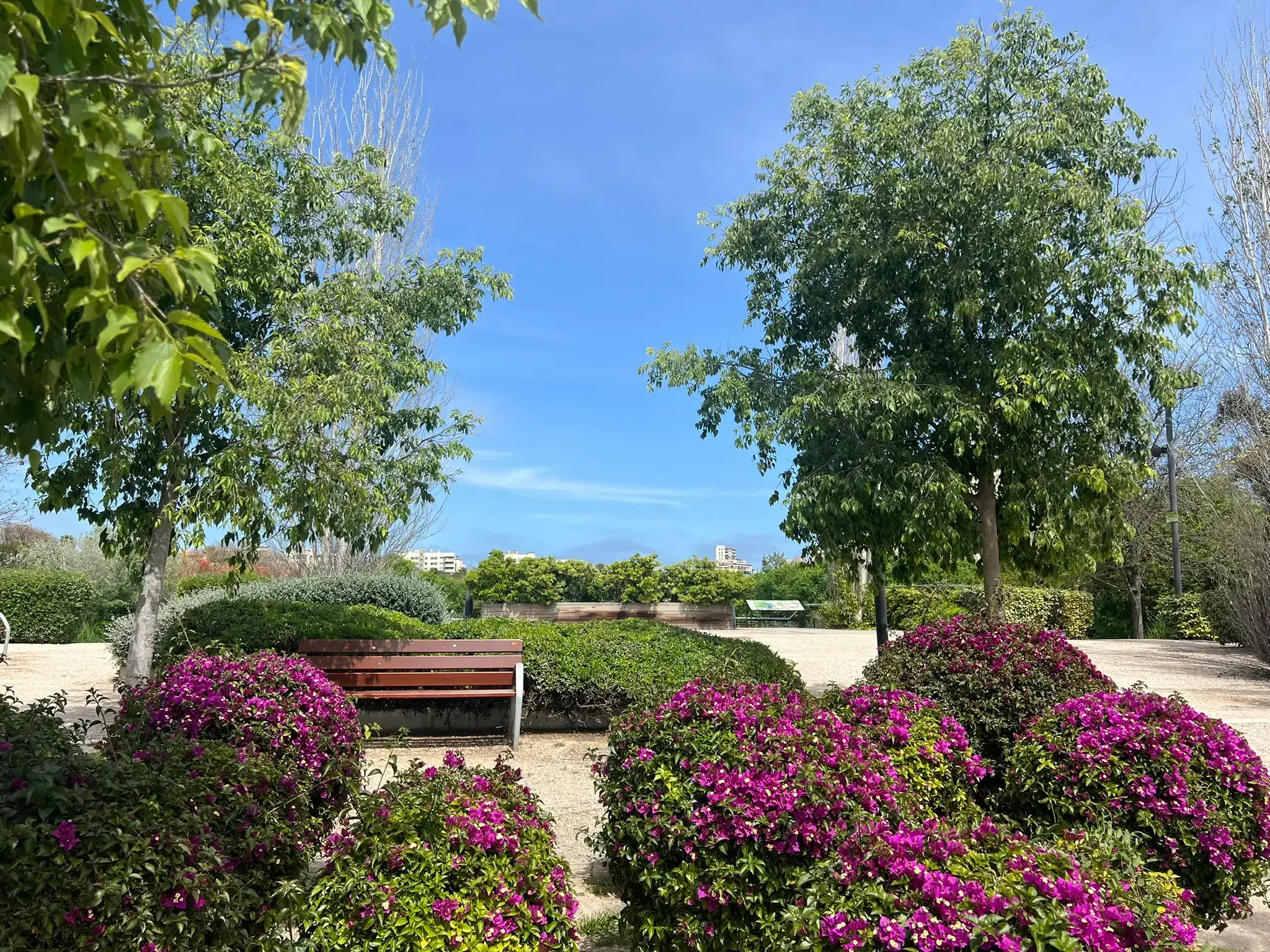
Parks & Nature in Alicante
The green spaces, coastal paths, and quiet corners of Alicante that most visitors walk straight past.
See all parks & nature→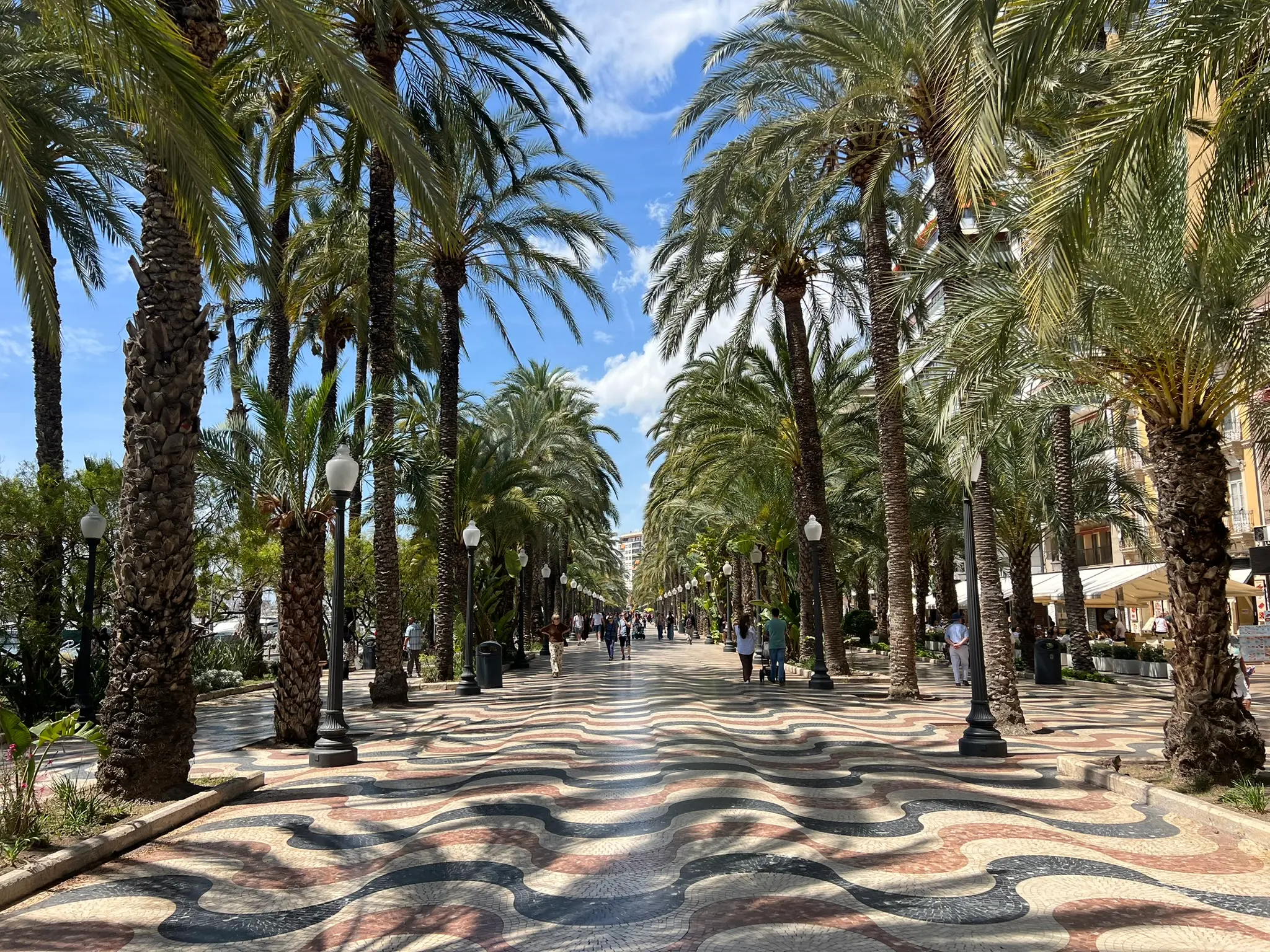

Journal
First-hand notes on living, eating, and getting around Alicante — written by someone who actually lives here.
Read the journal→
Hi, I'm Petro, the face behind Alicante Compass.
This guide is free and always will be. Running it takes time, fuel, and a lot of coffee — researching places that don't show up on Google Maps, verifying details that other sites get wrong, and writing guides I'd actually want to read myself. If Alicante Compass has saved you time, money, or given you one moment worth remembering — I'd be grateful for your support. Every contribution keeps me on the road and the content free for everyone.
Fuel the Compass