Alicante Compass
Castillo de Santa Bárbara
One of Spain's largest medieval fortresses, 166 metres above the city.
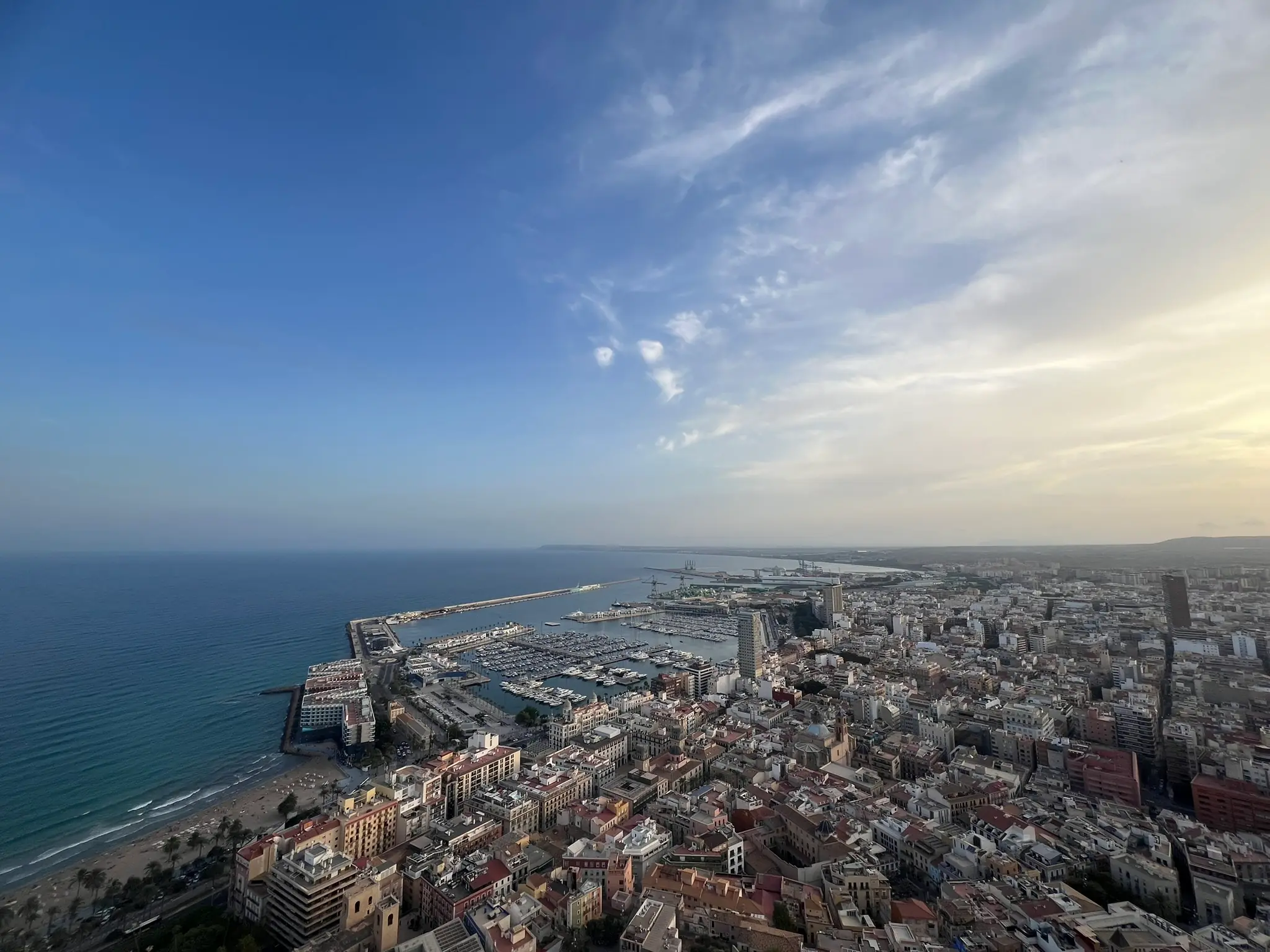
Every time I take visitors up to Santa Bárbara, I watch the same thing happen: they stop talking. You come up expecting a nice view and you get the entire city laid out beneath you — the old town, the port, the beach, Alicante's whole geography making sense all at once. I've been up there more times than I can count and it still gets me.
What I like most isn't the postcard shot from the top terrace — it's walking through the three enclosures and feeling the centuries change under your feet. One minute you're in a 9th-century watchtower, the next you're standing where Felipe II's soldiers stood, and a few steps later you're in an 18th-century bastion. Not many places let you feel time pass that literally.
If you only do one thing on this list, make it the lift up at sunset. I've dragged half my friends up there for exactly that reason, and not one of them has complained about it since.
Perched 166 metres above the city on Mount Benacantil, Castillo de Santa Bárbara is one of the largest medieval fortresses in Spain — and the one landmark every visitor to Alicante ends up photographing, whether they planned to or not. The castle has watched over this stretch of coast since the 9th century, and from its highest terrace you get the clearest possible read on why Alicante sits where it does: sea on one side, plain on the other, and this rock in between.
A fortress built in three layers
What makes Santa Bárbara unusual isn't just its size — it's that you're walking through three different centuries of construction stacked on top of each other. The oldest section, the Torre del Homenaje (Tower of Homage), dates to the Almohad period and sits at the summit, the highest and most defensible point. The middle enclosure was built in the 16th century under Spanish rule, and includes the Sala de Felipe II, the Baluarte de la Reina (Queen's Bastion), and the Patio de Armas (Parade Ground) — the part most visitors spend the longest exploring. The outer, lowest enclosure came later still, in the 18th century, and includes the Revellín del Bon Repós bastion.
The castle has been protected as a Cultural Interest Site since 1961 and has been open to the public since 1963.
Getting up there
You have two realistic options:
On foot. Walk up through the Old Town (El Barrio) and La Ereta Park — a free, scenic route that takes 30–45 minutes depending on your pace and the heat. This is the way to go if you want to stop at the viewpoints along the way and aren't visiting in the middle of a July afternoon.
By lift. A public lift runs from near Playa del Postiguet, on Avenida Juan Bautista Lafora, straight into the mountain and up to the castle. It costs a couple of euros each way, runs roughly every 40 minutes, and is free for retirees who can show ID. This is the better option with kids, mobility issues, or simply no interest in a 166-metre climb in 30°C heat.
Practical Information
Price
Free entry — no ticket required
Closed
24 June, 25 & 31 December, 1 & 6 January
Recommended visit
At least 1 hour for the grounds and views; closer to 2 if you want to see the exhibitions too.
Opening hours
On foot
Walk up through the Old Town (El Barrio) and La Ereta Park — a free, scenic route that takes 30–45 minutes depending on your pace and the heat. This is the way to go if you want to stop at the viewpoints along the way and aren't visiting in the middle of a July afternoon.
By lift
A public lift runs from near Playa del Postiguet, on Avenida Juan Bautista Lafora, straight into the mountain and up to the castle. It costs a couple of euros each way, runs roughly every 40 minutes, and is free for retirees who can show ID. This is the better option with kids, mobility issues, or simply no interest in a 166-metre climb in 30°C heat.
Free entry — no ticket required
Take the free lift from Avenida Jovellanos — it runs daily, and going up at sunset means you get the golden-hour view over the bay without the midday crowds or the midday sun. Sunset visits are, without exaggeration, the best hour to be up there.
Castillo de Santa Bárbara — Visitor FAQ
Everything worth knowing before you head up the hill.
Is entry to Castillo de Santa Bárbara free?
How long does it take to walk up?
What are the opening hours?
Is the castle worth visiting with kids?
Is Castillo de Santa Bárbara the same as Alicante Castle?
What's inside the castle?
Can you drive up to the castle?
Is the castle accessible for wheelchairs or strollers?
Is there anywhere to eat or drink at the castle?
What's the best time of day to visit?

€3,200,000

€2,250,000
Splendid Luxury Villa in Vistahermosa, Alicante
Vistahermosa, Alicante

€1,990,000
Exclusive Apart-hotel in Alicante – Premium Investment With High Profitability
Altozano, Alicante
Stop Guessing. Start Planning.
A small selection of tools that make Costa Blanca travel easier. Some links are affiliate — meaning I earn a small commission if you book, at no extra cost to you. I only include services I'd genuinely recommend.
Where to Stay in Alicante
Hotels, apartments, and villas across the Costa Blanca. Summer fills up fast — the good spots go first.
Book NowFlights to Alicante
Alicante Airport (ALC) connects to most major European cities year-round. Compare and lock in the best price before it moves.
Search FlightsRent a Car in Alicante
The Costa Blanca stretches 200km. A rental car is the only way to actually see it — buses don't go where the good stuff is.
Rent a CarTours & Excursions in Alicante
Day trips, boat tours, and guided excursions across the Costa Blanca — handpicked and worth your time.
Explore ToursAlicante Doesn't End at the Castle.
Keep exploring:
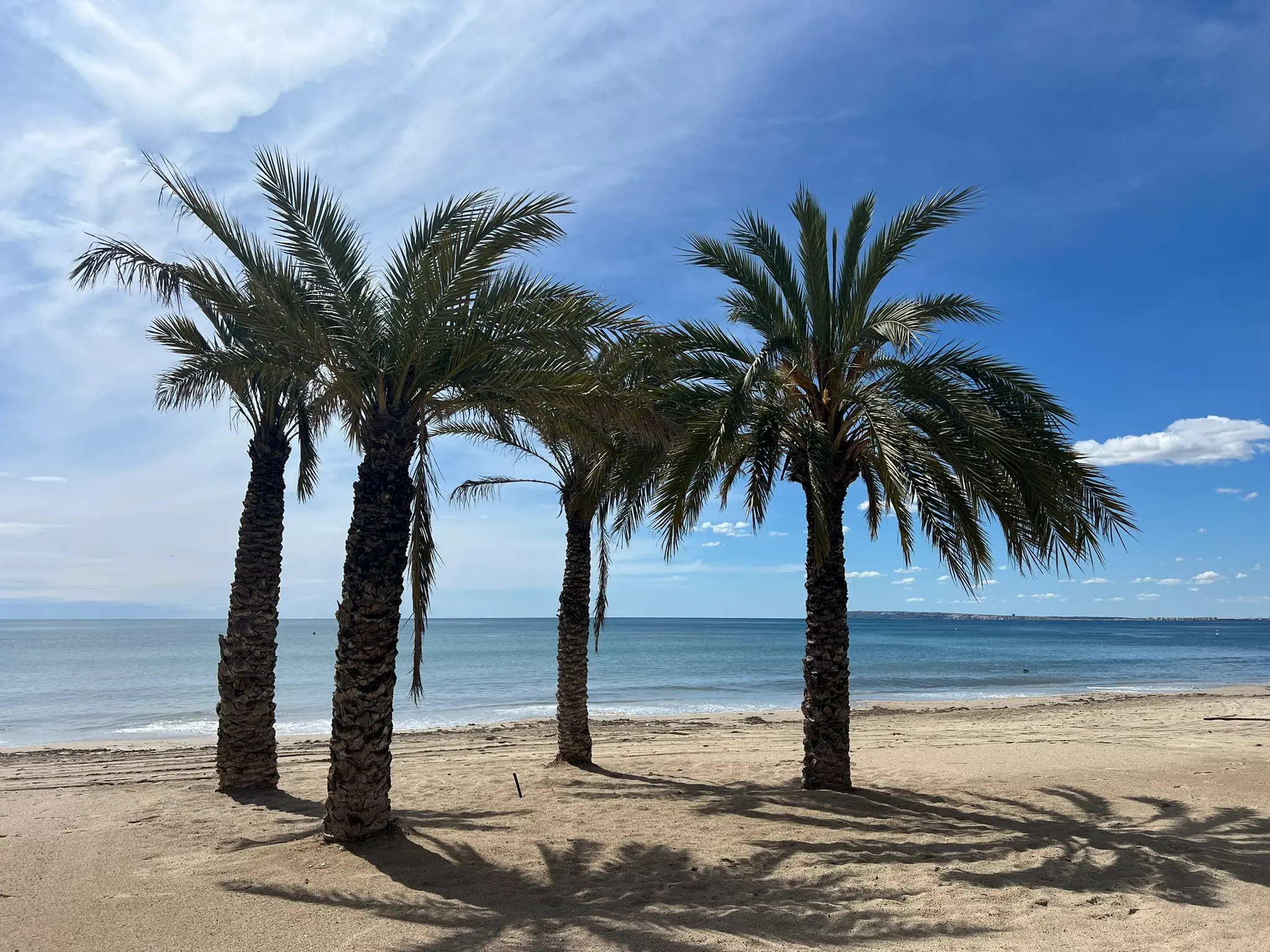
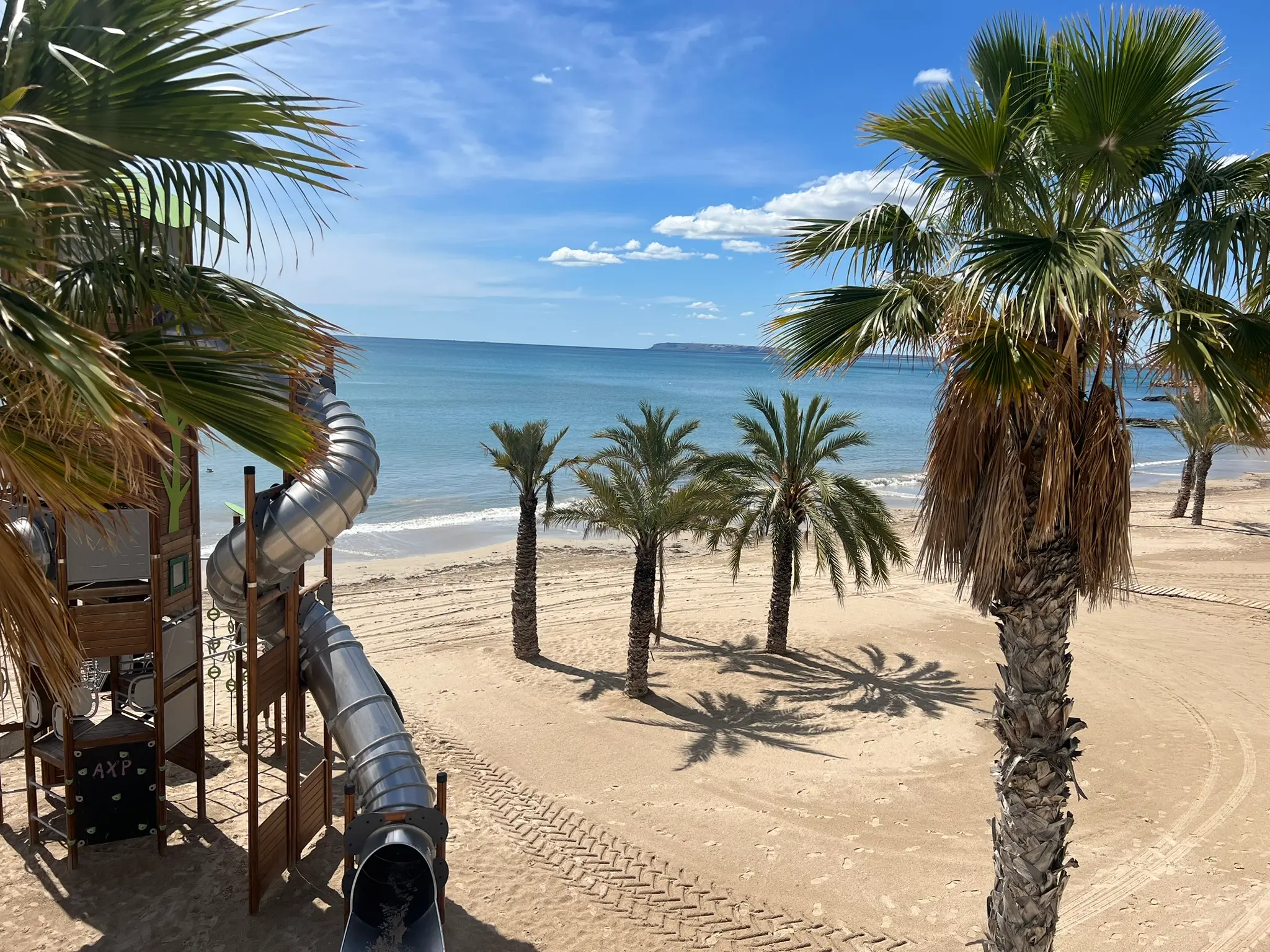
Best Beaches in Alicante & Costa Blanca
From hidden turquoise coves to vast golden sands — find your perfect beach on the Costa Blanca.
Explore Beaches→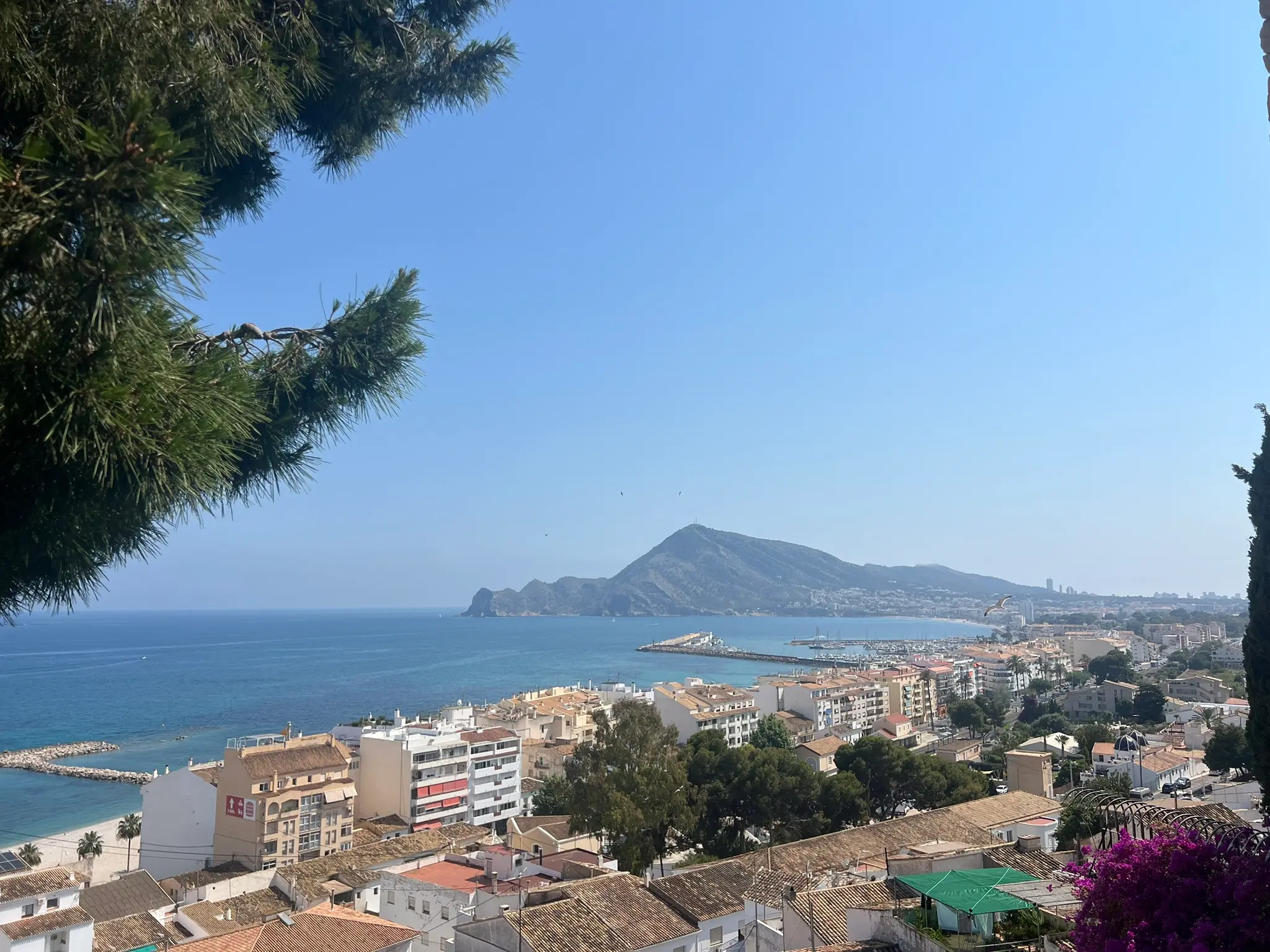
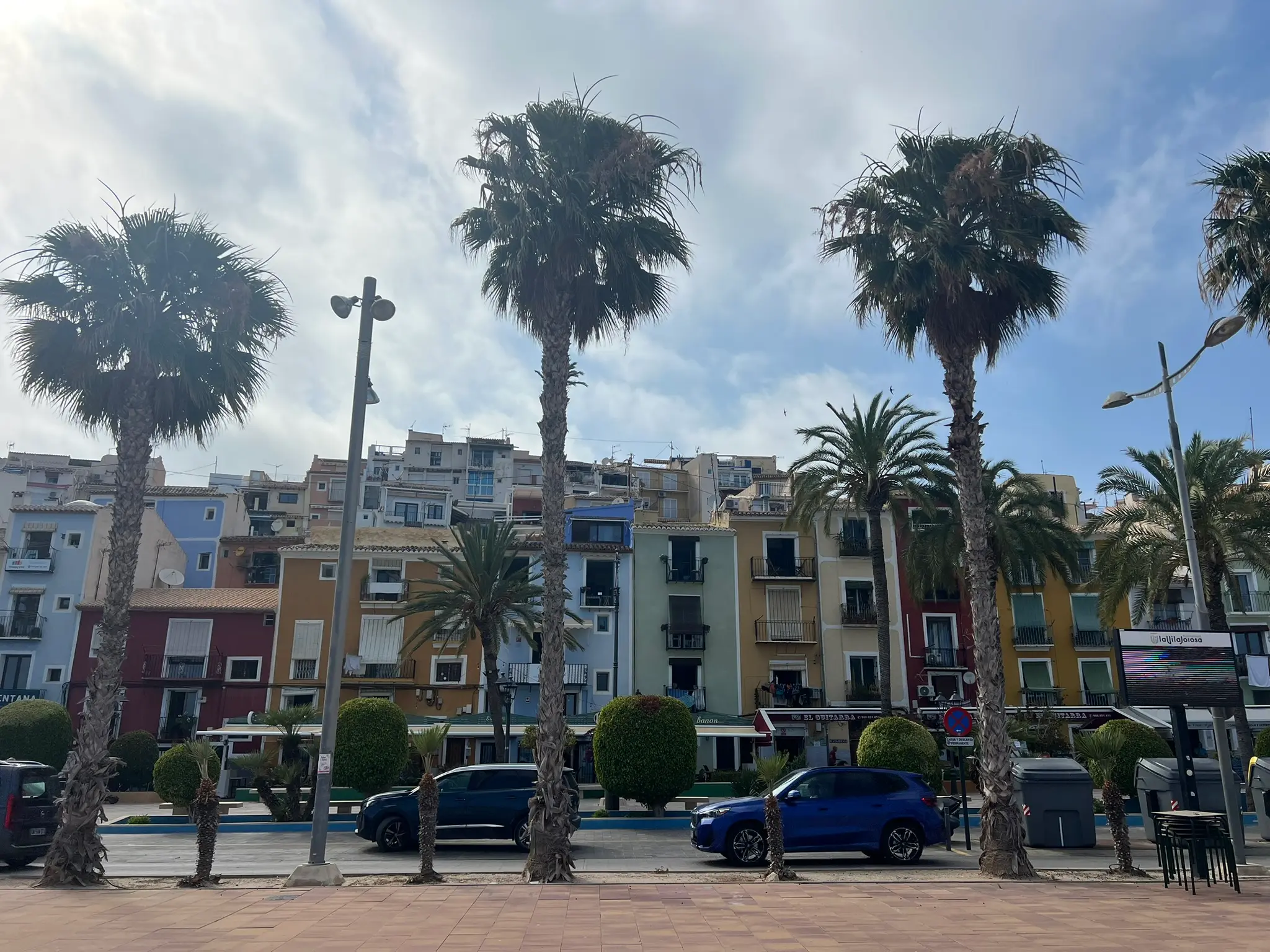
Day Trips from Alicante
The Costa Blanca doesn't end at the city limits. Castles, coves, mountain towns — all within an hour.
Explore Day Trips→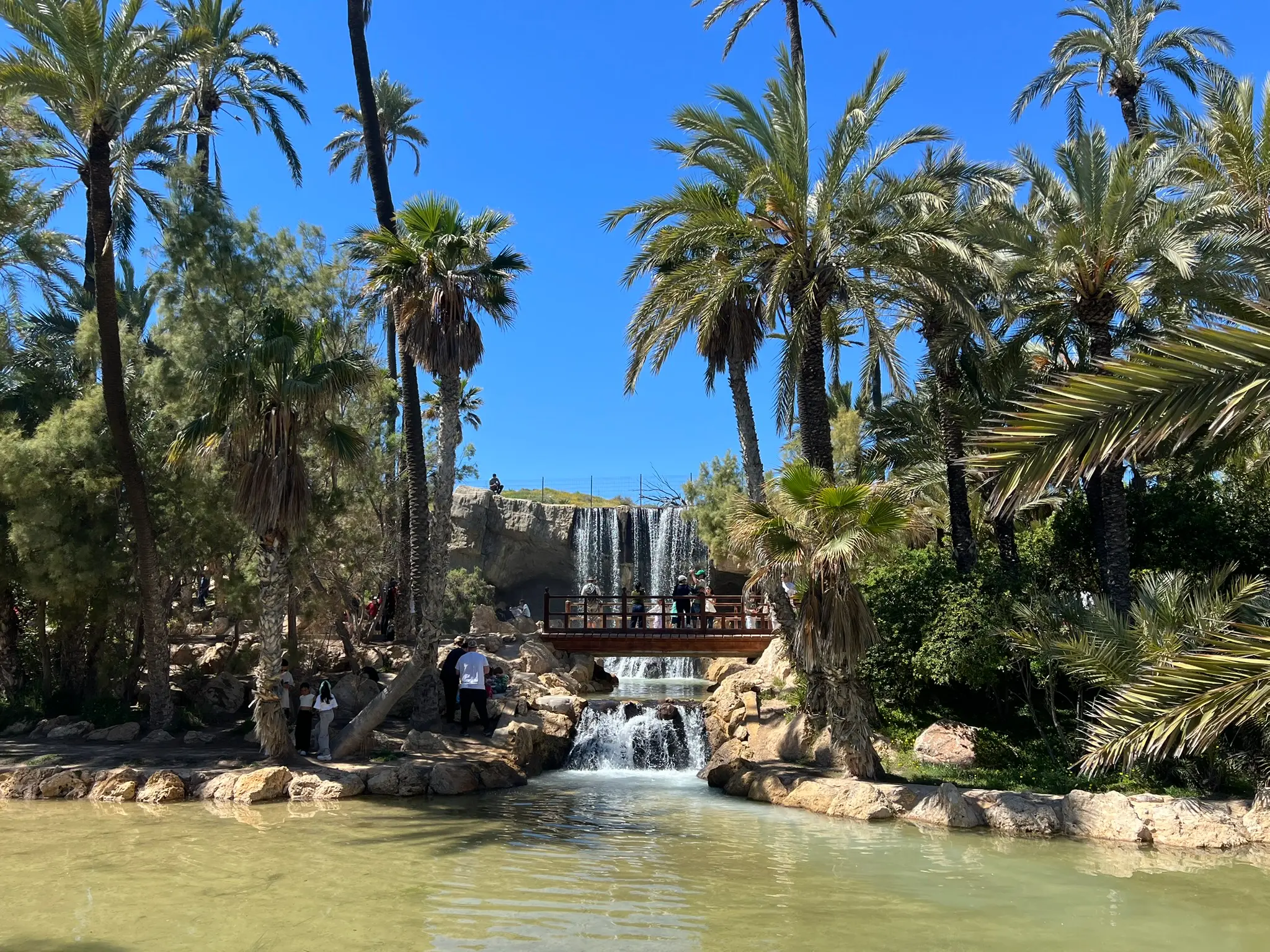
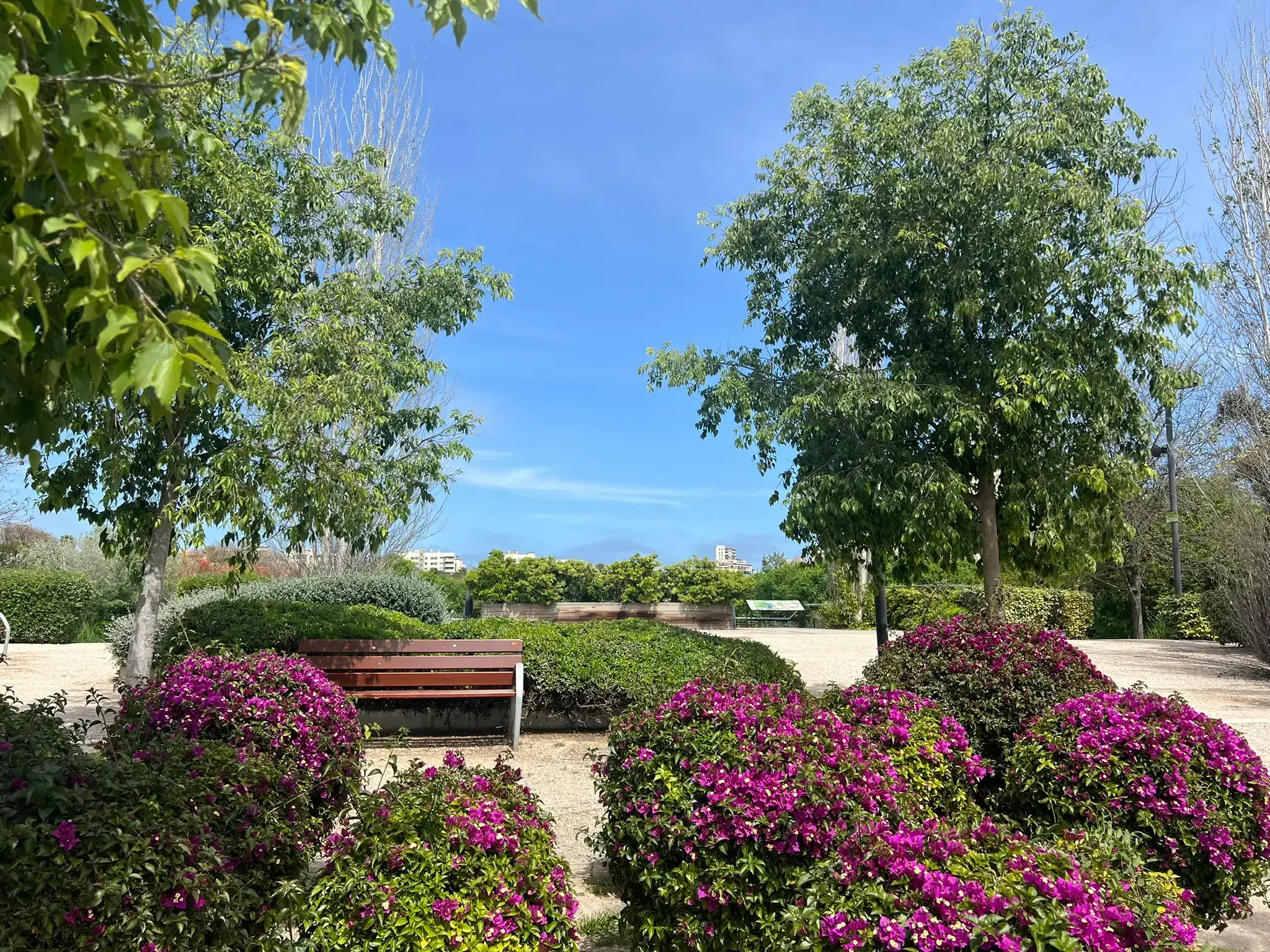
Parks & Nature in Alicante
The green spaces, coastal paths, and quiet corners of Alicante that most visitors walk straight past.
See all parks & nature→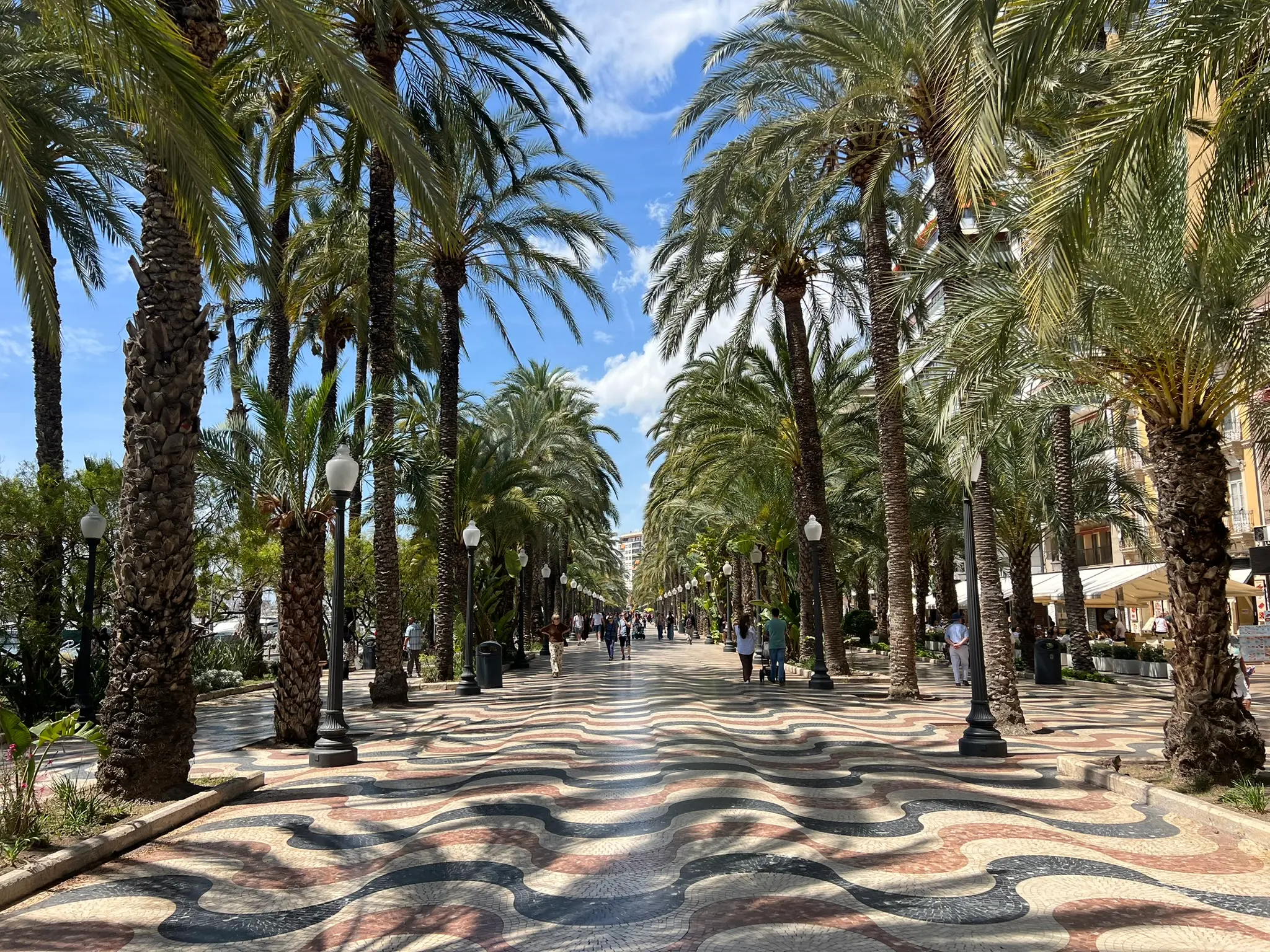

Journal
First-hand notes on living, eating, and getting around Alicante — written by someone who actually lives here.
Read the journal→
Hi, I'm Petro, the face behind Alicante Compass.
This guide is free and always will be. Running it takes time, fuel, and a lot of coffee — researching places that don't show up on Google Maps, verifying details that other sites get wrong, and writing guides I'd actually want to read myself. If Alicante Compass has saved you time, money, or given you one moment worth remembering — I'd be grateful for your support. Every contribution keeps me on the road and the content free for everyone.
Fuel the Compass